The majority of founders consider a convenient office site to be one that is reasonably close, reasonably priced, and easily justified on paper. In actuality, location subtly affects how teams arrive, how customers view the business, and how efficiently work is done on a daily basis. This effect is more pronounced in places like Bangalore.
Location Mistakes Founders Realise Too Late
Decisions about locations are frequently made quickly, particularly when teams are excited to move in and begin collaborating. The decision is typically influenced by short-term urgency, availability, or rent negotiations.
Founders eventually realize that a hastily selected location becomes a daily variable. The length of commutes varies. Attendance starts to fluctuate. Unintentionally, meetings begin late. On their own, none of these problems seem serious, but when combined, they cause the business to lag.
The expense appears as lost momentum rather than as a line item.
Rethinking where your office should be?
Some teams start by understanding how location affects daily work before locking in a space.
How Location Actually Impacts the Business
Access to Talent
In Bangalore, commute distance quietly defines who is willing to work with you. A location that’s difficult to reach immediately shrinks the hiring pool, even if compensation is competitive. Candidates rarely say no explicitly because of location, they simply drop off.
But location is not just about distance.
The surrounding neighborhood influences how people feel about working there. Offices situated in vibrant areas with accessible cafés, lunch spots, gyms, parks, and everyday conveniences become more attractive by default. Employees value the ability to step out for a quick meal, meet a friend after work, or run errands without adding another hour to their day.
Amenities reduce friction. They also enhance lifestyle and productivity.
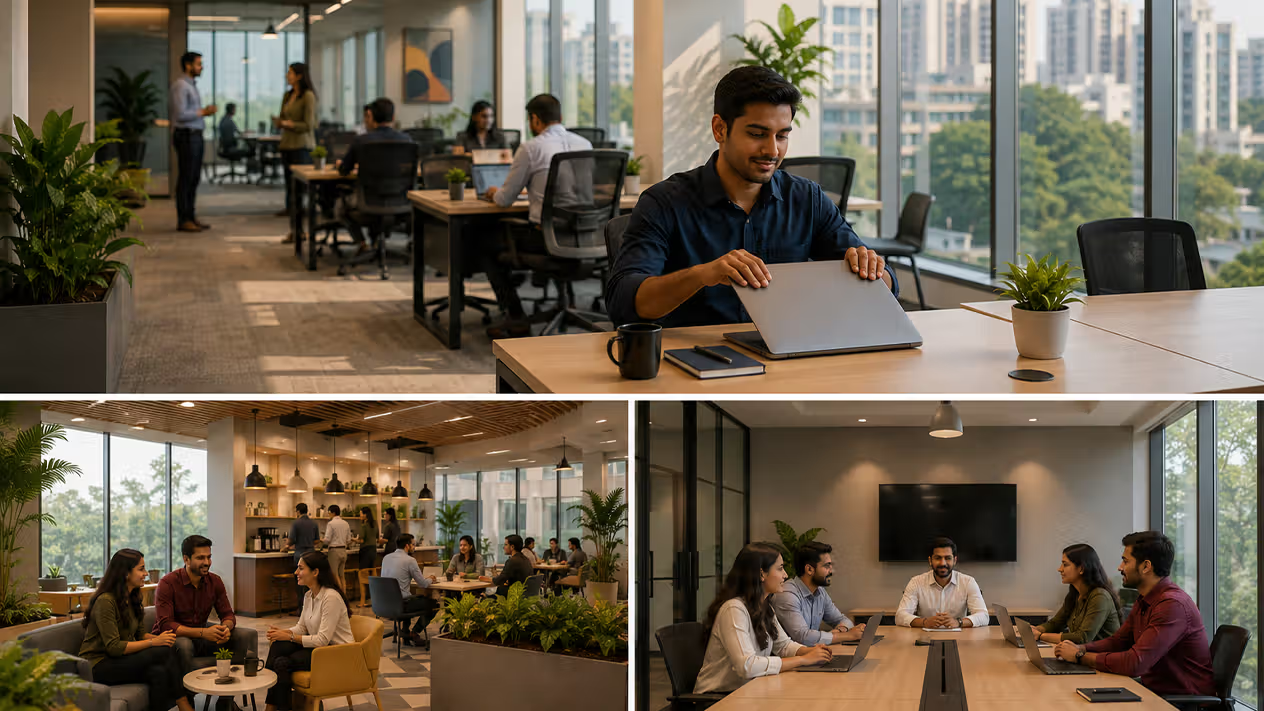
Inside the workspace, thoughtfully designed infrastructure changes how teams operate. Dedicated private cabins allow leadership to think without interruption. Boardrooms and meeting rooms enable structured decision-making. Phone booths create space for focused calls without disturbing others.
Vibrant lounge spaces, breakout areas, and open terrace spaces encourage informal conversations, the kind that often lead to faster problem-solving. A well-designed cafeteria makes team lunches effortless, while elegant lobby areas shape first impressions for clients and candidates alike.
Beyond comfort, reliability matters. Enterprise-grade internet ensures work doesn’t stall. Well-maintained washrooms, regular housekeeping, CCTV, and professional security maintain a consistent, safe environment. 24/7 access supports flexible work schedules without compromising control.
Practical conveniences like two-wheeler parking and valet parking remove daily micro-frictions. Teams don’t start their day stressed about logistics; they start ready to work.
Collectively, these amenities do more than add comfort. They create an environment where focus improves, collaboration feels natural, and the office becomes a place people are willing and even happy to come to.
Over time, accessible and well-located offices attract a wider, more consistent talent base not just because they’re easier to reach, but because they’re easier to integrate into daily life. Difficult locations increase hiring friction quietly, often without founders realizing why.
How Clients Perceive the Company
Office location quietly shapes credibility.
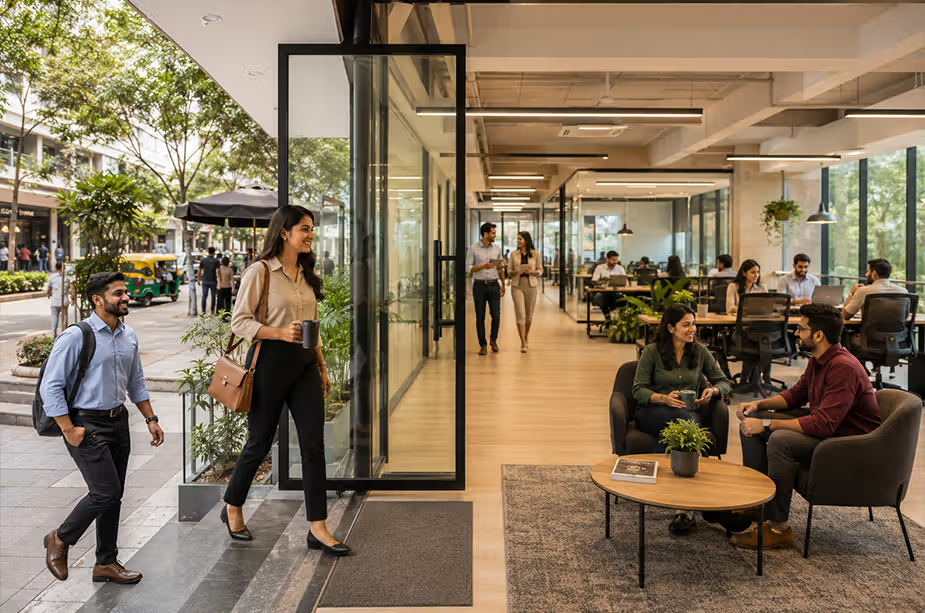
Clients may not insist on a landmark address, but they do notice accessibility. An office that is easy to locate, well-connected, and straightforward to enter immediately feels organized and dependable. When visitors don’t struggle with directions, confusing entry points, or last-minute coordination calls, the meeting starts on the right note.
Safety also plays a role, especially for evening meetings or senior stakeholders. Well-lit surroundings, secure premises, CCTV, and professional security create reassurance. Clients subconsciously associate a safe, well-managed environment with operational stability.
Parking and arrival experience matter more than founders realize. Dedicated parking, valet services, and smooth entry-exit processes signal preparedness. If a client spends 20 minutes searching for parking or navigating unclear access points, friction begins before the conversation does.
Accessibility for all visitors, whether through elevators, clear signage, reception support, or organized lobby areas, reinforces professionalism. It shows the company values structure and planning.
For early-stage and B2B companies in particular, these signals carry weight. Ease often communicates maturity better than prestige. A space that feels secure, accessible, and thoughtfully managed tells clients the business itself is structured the same way.
Meeting clients or partners regularly?
Accessibility often leaves a stronger impression than a well-known address.
Daily Energy and Focus
Long, unpredictable commutes affect more than punctuality. They drain energy before the workday even begins. Teams arrive tired, meetings get pushed, and focus drops are often misinterpreted as lack of motivation.
When arriving at work itself feels stressful, productivity suffers long before anyone notices it consciously.
Operational Ease
Location affects everyday operations in subtle ways. Meetings become harder to schedule when arrival times vary. Collaboration weakens when people leave early to beat traffic. What seems like minor inconvenience slowly turns into operational friction.
The smoother the commute, the smoother the workday tends to be.
The Bangalore Reality Most First-Time Founders Underestimate
Bangalore doesn’t reward optimistic planning. Traffic conditions change daily, and distance means very little without predictability. A location that looks manageable on Google Maps can feel exhausting in reality.
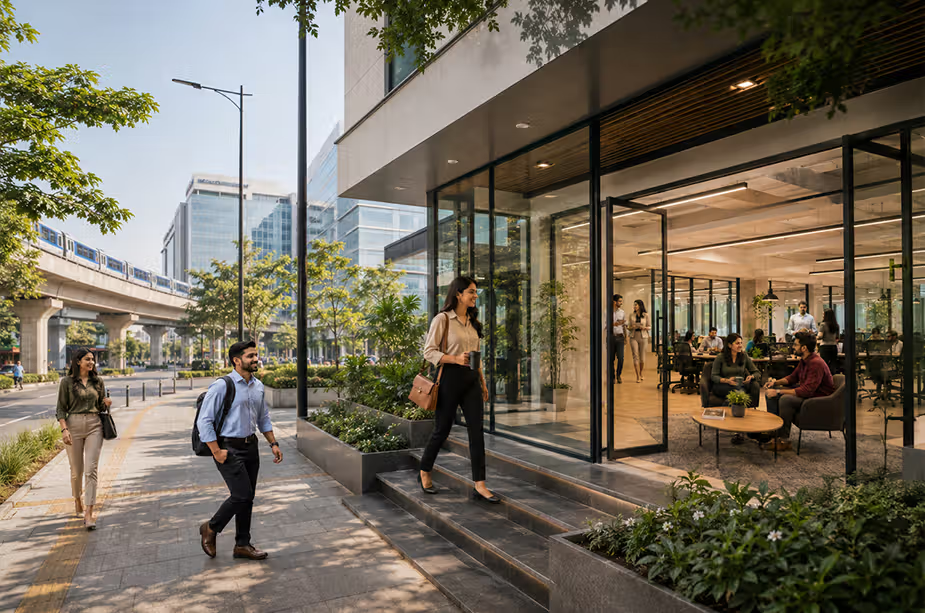
Metro access has moved from being a nice-to-have to a baseline expectation for consistent attendance. Offices that skew heavily toward one side of the city often see gradual team drop-offs, even if rent is attractive.
In Bangalore, “cheap but far” almost always becomes expensive over time.
Evaluating locations in Bangalore?
Looking beyond rent often saves time, energy, and attrition later.
How Location Influences Hiring and Retention
Many candidates inquire about the location of the workplace early in the conversation. They are considering sustainability, not because they don't want to commute.
Teams may put up with a challenging site at first, but over several months, weariness sets in. The office, not the business, is frequently where attrition begins. Not only do people quit their jobs, but they often quit routines that don't feel sustainable.
People's willingness to stay is directly impacted by location choices.
What Founders Should Actually Look For in a Location
Instead of chasing well-known areas or low rent, founders benefit from asking simpler questions.
Can most of the team reach the office without stress on most days?
Does the commute feel predictable?
Does arriving at work feel draining or manageable?
Is the location easy to explain to clients and visitors?
When the answers are clear, the right location often becomes obvious.
Not sure how to judge a “good” location?
Some teams choose spaces that reduce daily friction instead of adding to it.
How Beginest Thinks About Location
Beginest Workspaces approaches location as an operational decision, not a branding exercise. Accessibility matters more than prestige. Daily ease matters more than landmarks.
The goal is to reduce friction so teams can focus on work, not logistics. When location works well, it fades into the background which is exactly how it should be.
Closing Thought
Office location isn’t a convenience decision. It’s a daily operating decision. The right location supports focus, attendance, and momentum without demanding attention. The wrong one shows up every morning.
Founders who understand this early make choices that quietly compound in their favour.
Thinking about your next office move?
Understanding how location affects daily work can make the decision clearer.
FAQs
1. Does office location really affect hiring in Bangalore?
Yes. Commute time and predictability influence candidate interest, offer acceptance, and long-term retention more than founders often realise.
2. Is paying more for a central location worth it?
Often, yes. Time saved, energy preserved, and attendance consistency usually offset higher rent over time.
3. What should startups prioritise when choosing an office location?
Accessibility, predictability, and daily ease because productivity loss costs more than rent savings.